Ithom: A Decorative Font That Elevates Branding Projects
There’s something about opening a fresh brand board that feels like the start of a new chapter. I was recently working on a boutique identity project for a small handmade soap shop, and I needed a font that would capture the essence of creativity and craftsmanship. Enter Ithom—a decorative display font with a distinct artistic flair that immediately caught my eye.
First Impressions and Visual Appeal
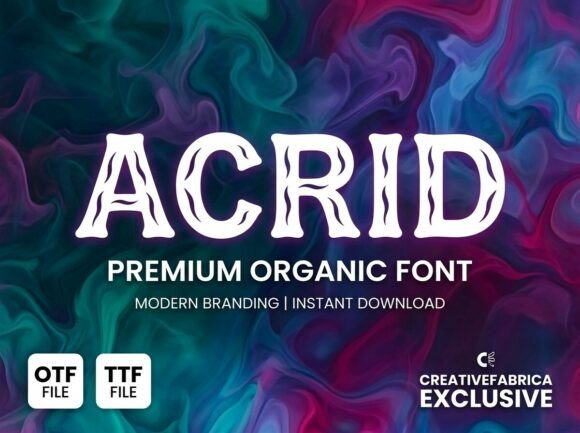
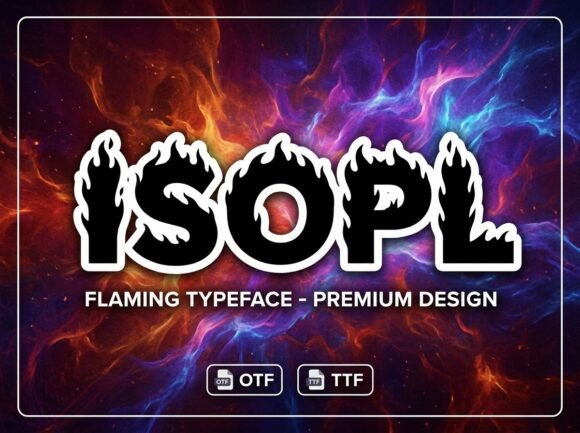
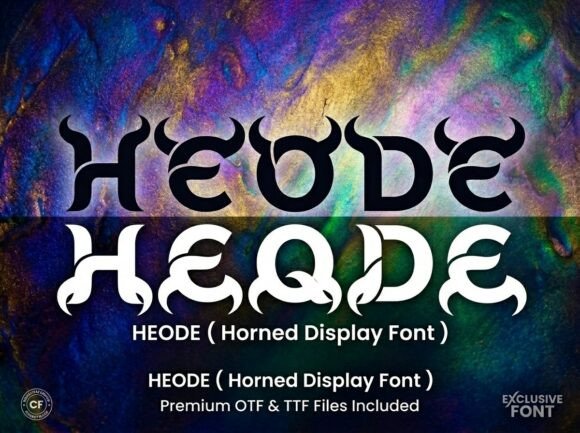
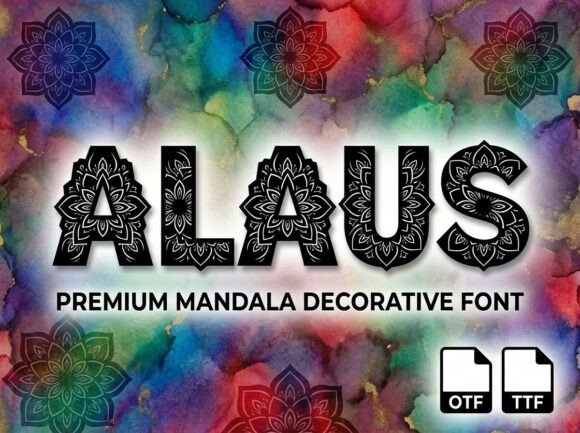
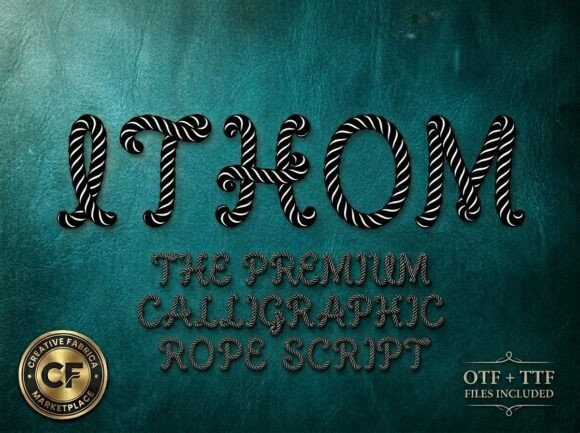
Ithom isn’t just another font; it’s a statement. Its unique strokes and flourishes give it an unmistakable personality. It has a handcrafted feel that suggests artistry without leaning into over-the-top embellishment. The balance between elegance and boldness makes it stand out in any layout. I tested it on a logo draft, and it felt like the perfect match for a brand that wanted to be seen as both innovative and approachable.
The visual characteristics of Ithom are what make it so versatile. Each letter carries a sense of movement, almost like they were drawn by hand with intention. This gives it a dynamic presence that can easily become the centerpiece of a design without overwhelming other elements.
Testing Ithom in Real-World Applications
I used Ithom across several branding deliverables to see how it performed in different contexts. On a packaging mockup, it looked great on a label for a luxury skincare product—adding a touch of sophistication. When I placed it on a business card, it gave the impression of a creative studio with a strong brand voice. For a website header, Ithom added a layer of character without compromising readability at larger sizes.
On social media graphics, it worked well as a headline for promotional posts, especially when paired with simpler sans-serif fonts for body text. I found that Ithom performed best when used sparingly—whether as a logo font or an accent typeface. It wasn’t ideal for long blocks of text, which is expected from a decorative display font, but it excelled in short phrases and headlines.
Font Pairing and Practical Considerations
One thing I noticed early on was how well Ithom pairs with clean, modern sans-serif fonts. In the soap shop project, I used it alongside a minimalist sans serif for subheadings and body copy. The contrast created a nice visual rhythm, making the design feel balanced yet distinctive.
For those considering Ithom for their projects, it's important to test it in various contexts before committing. Try it on a shop sign, a product mockup, or even a homepage hero section to see how it interacts with other design elements. Also, take note of the available styles and alternates—if the font includes ligatures or swashes, these can add extra flair when appropriate.
Another practical consideration is licensing. If you're planning to use Ithom in client work, brand identity, templates, or print-on-demand products, ensure you have the right commercial license. Always double-check the font provider's terms to avoid any legal hiccups down the line.
When to Use (and Avoid) Ithom
Ithom shines in situations where you want to inject some personality into your design. It works exceptionally well for logos, packaging labels, editorial headlines, and social media content. However, it may not be the best choice for formal corporate communications or websites with large amounts of body text. In these cases, a more readable serif or sans-serif font would be a safer bet.
If you're designing for a brand that leans into creativity, artistry, or individuality, Ithom could be the perfect fit. But if your project requires strict professionalism or high readability at small sizes, it might not be the most suitable option.
In conclusion, Ithom is a decorative display font that adds a unique dimension to any creative project. Whether you're designing a logo, crafting a brand identity, or creating a memorable packaging label, Ithom has the potential to elevate your work with its artistic elements and strong character. Just remember to use it wisely—let it shine as a focal point rather than trying to carry the entire design on its own.